Pipeline Jetting & Drain Cleaning with Jetting Truck
Professional sewer and stormwater pipe cleaning for civil, council, commercial and asset handover projects
Pipeline jetting is one of the most effective ways to clean sewer and stormwater pipes before inspection, maintenance, repair or handover. Using a high-pressure jetting truck, water is directed through specialised nozzles to remove silt, debris, grease, roots, construction material and blockages from inside the pipe.
For civil contractors, councils, developers and asset owners, pipeline jetting helps keep drainage infrastructure flowing and ensures CCTV inspections can be completed properly.
At HD Inspections, we support sewer and stormwater projects across South East Queensland, wider Queensland and Northern NSW with professional drainage inspection and pipe cleaning solutions for pipelines 150mm diameter and above.
Whether you need a blocked line cleared, a stormwater pipe cleaned before handover, or sewer assets prepared for CCTV inspection, pipeline jetting provides a practical and non-destructive way to restore pipe capacity and improve inspection results.
What Is Pipeline Jetting?
Pipeline jetting, also known as high-pressure water jetting or drain jetting, uses a specialised jetting truck to clean the inside of sewer and stormwater pipes.
The jetting hose is fed into the pipe through a maintenance hole, pit, access chamber or pipe opening. High-pressure water is then pushed through a nozzle, creating powerful water jets that break up and move material through the line.
Depending on the pipe and blockage type, jetting can be used to remove:
Silt and sediment
Gravel and construction debris
Leaves and organic material
Grease and fat build-up
Roots and root masses
Mud and sludge
Foreign objects
General pipe obstructions
Build-up affecting pipe capacity
This makes pipeline jetting an important part of drainage maintenance, defect investigation and pre-CCTV preparation.
Why Use a Jetting Truck?
A jetting truck provides the pressure, flow and water capacity needed to clean larger drainage assets efficiently.
For mainline sewer and stormwater pipes, smaller domestic drain cleaning equipment may not be suitable. Larger infrastructure pipes often require higher water volume, stronger jetting capability and the ability to work over longer distances.
A jetting truck is commonly used for:
Sewer main cleaning
Stormwater pipe cleaning
Culvert cleaning
Subdivision handover preparation
Off-maintenance inspections
Pre-CCTV pipe cleaning
Blockage clearing
Silt and debris removal
Civil construction drainage cleaning
Council drainage maintenance
By using the right jetting equipment for the pipe size and site conditions, drainage lines can be cleaned more thoroughly and safely.
Pipeline Jetting Before CCTV Inspection
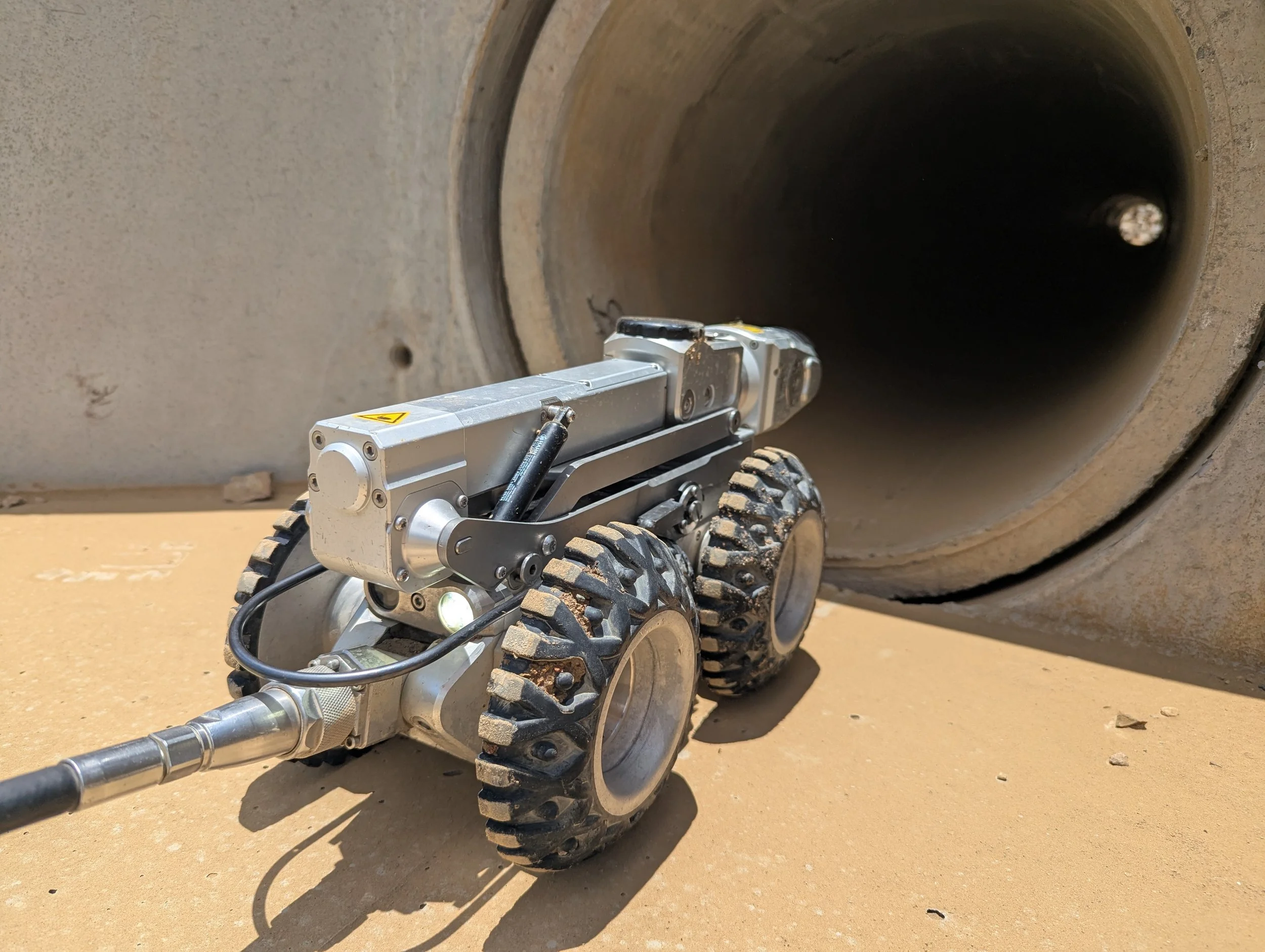
CCTV pipe inspection relies on clear visibility and camera access. If a pipe contains heavy silt, debris, roots, grease or standing obstructions, the CCTV crawler may not be able to travel through the line or capture usable footage.
Jetting before inspection helps improve the quality and reliability of CCTV reporting by clearing the pipe and exposing the internal wall, joints, connections and defects.
This is especially important for:
Council handover inspections
Subdivision off-maintenance inspections
Sewer condition assessments
Stormwater condition assessments
Defect investigations
Pre- and post-construction inspections
Asset condition reporting
WinCan reporting and coded inspections
A clean pipe allows the CCTV operator to identify defects more accurately and provide better reporting for the client, council or asset owner.
Sewer Pipe Jetting
Sewer mains can become restricted by grease, roots, debris, scale, foreign objects and general build-up. Over time, these restrictions can reduce pipe capacity and increase the risk of blockages, overflows or recurring maintenance issues.
High-pressure sewer jetting can assist with:
Clearing blockages
Removing grease and fat deposits
Cutting or dislodging root masses
Flushing debris from the line
Preparing pipes for CCTV inspection
Supporting sewer defect investigations
Improving flow through restricted sections
For civil and council projects, sewer jetting is often required before a CCTV inspection can be completed to the expected standard.
Stormwater Pipe Jetting
Stormwater pipes are especially prone to silt, sediment, leaves, gravel, mud and construction debris. These materials can build up inside the line and reduce the pipe’s ability to carry water during rainfall events.
Stormwater jetting can help remove:
Silt and sediment
Gravel and rocks
Leaves and vegetation
Mud and sludge
Construction debris
Root intrusion
Debris washed in from pits and kerbs
For subdivision, roadworks and civil construction projects, stormwater pipes often need to be cleaned before final CCTV inspection or asset handover.
A clean stormwater network provides better inspection footage and helps reduce the risk of future drainage issues.
Jetting for Subdivision Handover and Off-Maintenance
During subdivision construction, stormwater and sewer pipes can collect mud, gravel, concrete slurry, geofabric, rocks, timber, plastic, sediment and other construction material.
Before council or asset owner acceptance, the drainage network may need to be cleaned and inspected.
Pipeline jetting can support:
Practical completion
Off-maintenance inspections
Council handover requirements
Defect rectification
CCTV inspection preparation
Final asset condition confirmation
Removal of construction debris
By coordinating jetting and CCTV inspection, contractors can reduce delays and ensure the pipe condition is properly documented before handover.
Common Signs a Pipeline May Need Jetting
Pipeline jetting may be required when there are signs of poor flow, blockage or internal build-up.
Common signs include:
Slow-draining pits or chambers
Water backing up through the system
Recurring blockages
Heavy silt or debris visible in pits
CCTV camera unable to pass through the line
Pipe capacity reduced by sediment
Standing water caused by obstruction
Odour or overflow issues in sewer lines
Council or client requiring cleaning before inspection
Failed or incomplete CCTV inspection due to debris
If a CCTV crawler cannot complete a survey because the line is obstructed, jetting may be needed before the inspection can continue.
Jetting and CCTV Inspection Together
Jetting and CCTV inspection work best together.
Jetting removes the material blocking or obscuring the pipe. CCTV inspection then confirms the condition of the pipe after cleaning and identifies any underlying defects.
This combined approach is useful for:
Finding the cause of a blockage
Confirming whether a line is clean
Identifying cracks, displaced joints or root entry points
Locating damaged or collapsed pipe sections
Confirming repairs or cleaning work
Providing video evidence for clients and councils
Supporting condition assessment reporting
For many drainage projects, cleaning the pipe first and then inspecting it with CCTV gives the most reliable result.
Benefits of Pipeline Jetting
Pipeline jetting provides a practical, non-destructive way to clean and maintain underground drainage infrastructure.
Restores Pipe Capacity
Jetting removes material that restricts flow, helping sewer and stormwater pipes perform as designed.
Improves CCTV Inspection Quality
A clean pipe provides better visibility, allowing defects to be identified and recorded more accurately.
Reduces Excavation
Many blockages and obstructions can be cleared without digging up the pipe.
Supports Council Handover
Clean, inspectable pipes help meet project and asset handover requirements.
Helps Identify Underlying Issues
Once debris is removed, CCTV inspection can reveal cracks, displaced joints, root entry points or pipe damage.
Useful for Preventative Maintenance
Regular jetting can help reduce the risk of recurring blockages and drainage issues.
What Pipe Sizes Can Be Jetted?
Jetting capability depends on the equipment, access, pipe size, pipe condition and type of material being removed.
For civil and infrastructure projects, jetting trucks are commonly used on sewer and stormwater pipes from 150mm diameter and above, including larger mainline assets and culverts.
Common pipe sizes may include:
150mm
225mm
300mm
375mm
450mm
600mm
750mm
900mm and larger, depending on access and site conditions
If a pipe is heavily blocked, collapsed, badly damaged or unsafe to work in, further investigation may be required before cleaning can continue.
Pipeline Jetting Across Queensland and Northern NSW
HD Inspections supports sewer and stormwater projects across South East Queensland, wider Queensland and Northern NSW with practical pipe cleaning and CCTV inspection solutions.
Our pipeline jetting support is suitable for:
Civil contractors
Councils and local governments
Developers
Plumbing and drainage contractors
Engineering consultants
Asset owners
Commercial property managers
Maintenance contractors
Whether your project requires pipe cleaning before CCTV inspection, blockage clearing, subdivision handover preparation or stormwater maintenance, HD Inspections can help coordinate a reliable solution.
Book Pipeline Jetting or CCTV Inspection Support
Need sewer or stormwater pipes cleaned before inspection or handover?
HD Inspections can assist with pipeline jetting support, CCTV pipe inspections, WinCan reporting and condition assessment services for sewer and stormwater assets 150mm diameter and above.
Contact HD Inspections today to discuss your project requirements or request a quote.