
CCTV Stormwater Pipe Inspections for
Civil, Council & Asset Handover Projects
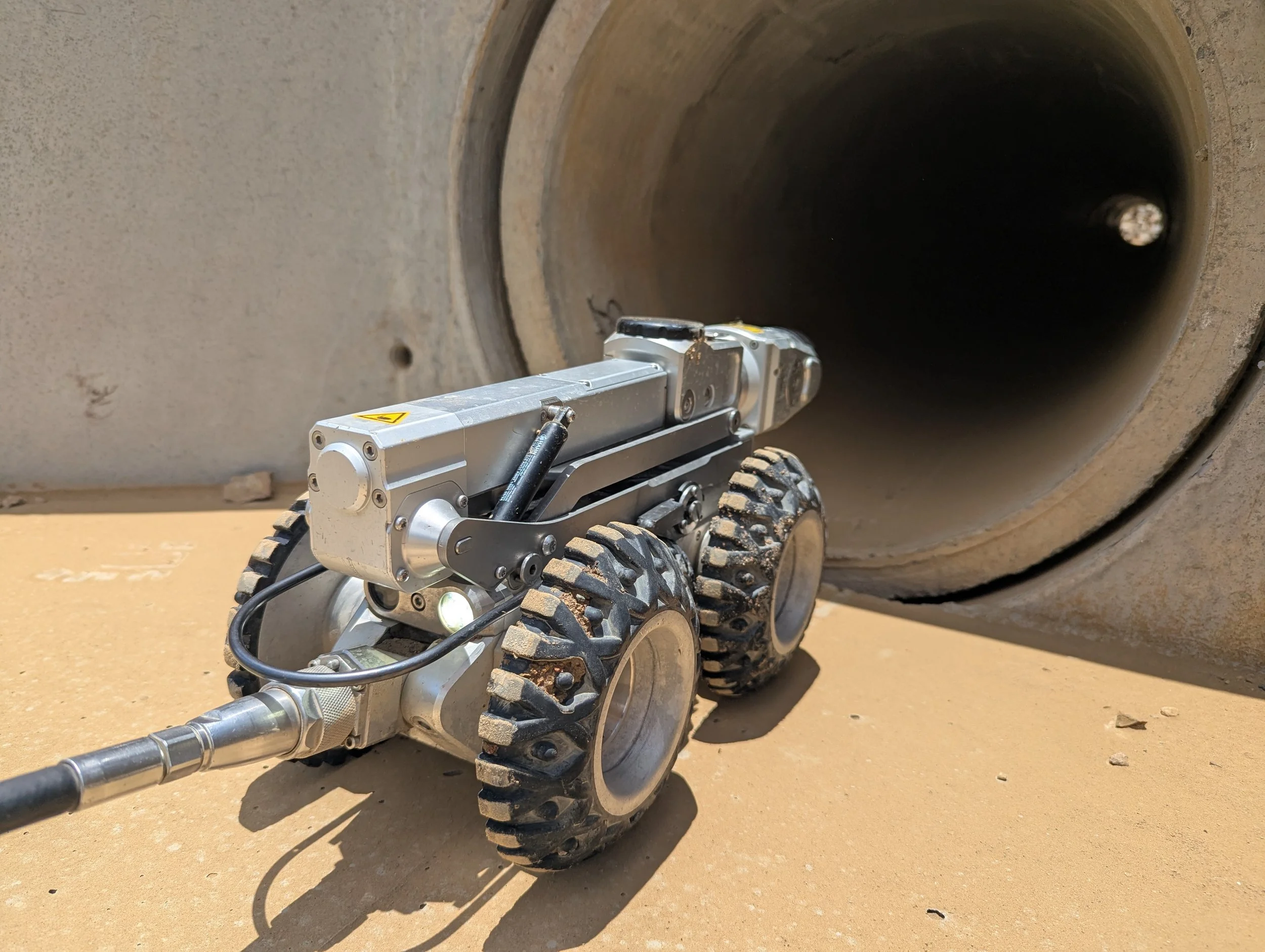
Professional stormwater CCTV inspections across Queensland and Northern NSW
Stormwater infrastructure plays a critical role in managing rainfall, reducing flooding risk, protecting roads and properties, and keeping developments compliant with council requirements. When stormwater pipes are buried underground, CCTV inspection is one of the most effective ways to confirm their condition without excavation.
At HD Inspections, we provide professional CCTV stormwater inspections for civil contractors, councils, developers, plumbers, engineers and asset owners across South East Queensland, wider Queensland and Northern NSW.
Using robotic CCTV crawler equipment, we inspect stormwater pipes from 150mm diameter and above, providing clear video footage, defect observations and practical reporting suitable for construction records, asset handover, maintenance planning and condition assessment.
What Is a CCTV Stormwater Inspection?
A CCTV stormwater inspection involves sending a specialised camera crawler through a stormwater pipe to record the internal condition of the line.
This allows defects, obstructions and construction issues to be identified without digging up the pipe. The camera records footage as it travels through the line, while the operator documents key observations such as cracking, joint defects, displaced pipes, debris, silt build-up, root intrusion, deformation, infiltration and damage.
CCTV stormwater inspections are commonly used for:
Subdivision handover inspections
Off-maintenance inspections
Pre-construction and post-construction condition records
Stormwater defect investigations
Council asset inspections
Flooding or drainage issue investigations
Culvert and large-diameter pipe inspections
Civil construction quality assurance
Private and commercial stormwater asset assessments
For civil and council projects, CCTV inspection provides a reliable visual record of the pipe condition at the time of inspection.
Why Inspect Stormwater Pipes?
Stormwater pipes are often installed beneath roads, footpaths, landscaped areas, easements and private lots. Once the works are complete, faults can be difficult and expensive to locate without CCTV footage.
A stormwater CCTV inspection can identify issues such as:
Cracked or broken pipes
Displaced or open joints
Poor construction or installation defects
Root intrusion
Silt, sediment or debris build-up
Partially blocked pipes
Pipe deformation
Infiltration or water entry
Collapsed sections
Obstructions from construction materials
Misaligned pipes or poor connections
Damaged pipe ends, headwalls or pits
Finding these issues early can help avoid delays during handover, reduce future maintenance costs and provide evidence for repairs before roads, footpaths or landscaping are finalised.
Stormwater Inspections for Subdivision Handover
Stormwater CCTV inspections are commonly required during subdivision handover and off-maintenance processes.
Before stormwater assets are accepted by council or an asset owner, the internal condition of the pipes may need to be confirmed. CCTV footage and reporting can help show whether the installed stormwater network is clean, accessible and free from major defects.
For developers and civil contractors, this can assist with:
Practical completion documentation
Council handover submissions
Off-maintenance requirements
Defect identification before final acceptance
Confirmation that pipes are free from debris and construction damage
Reducing disputes about asset condition
A clear CCTV inspection record gives all parties confidence in the condition of the stormwater infrastructure before it is handed over.
Pre-Construction and Post-Construction Stormwater Inspections
CCTV inspections are valuable both before and after civil works.
Pre-Construction Condition Inspections
Before works begin, a pre-construction stormwater inspection records the existing condition of nearby drainage assets. This can be useful when works are taking place close to existing council or private stormwater infrastructure.
A pre-condition inspection may help identify existing cracking, joint movement, root intrusion, silt build-up or damage before construction activities begin.
This creates a baseline record that can help protect contractors, developers and asset owners if future damage claims arise.
Post-Construction Condition Inspections
After works are complete, a post-construction CCTV inspection can confirm whether stormwater pipes have been affected by construction activity.
This is especially useful after:
Roadworks
Subdivision works
Service installation
Bulk earthworks
Directional drilling
Excavation near existing drainage
New stormwater pipe installation
Comparing pre- and post-construction inspection records can help identify whether any changes or damage occurred during the works.
Common Stormwater Pipe Defects Found During CCTV Inspections
Stormwater assets can experience a range of structural and serviceability defects. CCTV inspection allows these issues to be recorded clearly and accurately.
Cracks and Fractures
Cracking may occur due to ground movement, poor installation, loading from traffic, construction activity or ageing infrastructure.
Joint Displacement
Displaced joints can allow soil ingress, root intrusion or water movement around the pipe, potentially leading to settlement or further deterioration.
Silt and Debris Build-Up
Stormwater pipes often collect sediment, leaves, gravel, construction debris and other material. Heavy build-up can reduce pipe capacity and increase flood risk.
Root Intrusion
Tree roots can enter through joints, cracks or damaged areas, leading to blockages and further pipe damage.
Pipe Deformation
Flexible pipes may deform under load or due to installation issues. Deformation can affect pipe performance and may need to be assessed before handover.
Broken or Collapsed Sections
Severe defects such as broken pipe walls or collapsed sections can restrict flow and may require urgent repair.
Construction Defects
Newly installed stormwater assets may show poor jointing, damaged pipe ends, debris left inside the line, incorrect connections or other installation issues that need to be rectified before acceptance.
WinCan Reporting for Stormwater CCTV Inspections
HD Inspections can provide professional WinCan CCTV inspection reports for stormwater pipe inspections.
WinCan reporting turns inspection footage into structured, practical data. It allows defects, observations, pipe details, distances, still images and operator comments to be recorded in a clear format suitable for engineers, councils, contractors and asset owners.
A WinCan stormwater inspection report may include:
Pipe section details
Inspection direction and access points
Pipe diameter and material
Distance-based observations
Defect coding
Still images of key defects
Operator comments
Inspection summary information
Linked video references where required
This makes it easier to review the condition of each stormwater line, identify required repairs and maintain clear project records.
IPWEA Practice Note 5 Stormwater Condition Assessment
For stormwater assets, many councils and asset owners use condition assessment methods based on IPWEA Practice Note 5, commonly known as PN5.
Where required, HD Inspections can complete stormwater CCTV inspections and reporting to support PN5-style condition assessment. This allows structural and serviceability defects to be recorded consistently, helping asset owners understand the condition of their stormwater network.
PN5-style stormwater reporting can assist with identifying and documenting:
Structural defects
Serviceability defects
Joint defects
Cracking or fractures
Deformation
Root intrusion
Infiltration or soil ingress
Obstructions and debris
Pipe condition grades
Maintenance or renewal priorities
This type of reporting is particularly useful for council asset inspections, condition assessment programs, subdivision handover and long-term stormwater asset management.
Do Stormwater Pipes Need to Be Cleaned Before CCTV Inspection?
For the best inspection result, stormwater pipes should be reasonably clean and accessible.
Heavy silt, debris, rocks, standing water, root masses or construction material can prevent the camera from travelling through the line or limit visibility. In some cases, jetting or vacuum cleaning may be required before a full inspection can be completed.
A partially obstructed line can still provide useful information, but heavy debris may prevent a complete condition assessment.
HD Inspections can work with civil contractors, cleaning crews and site supervisors to coordinate inspections and help identify lines that may need cleaning before final reporting.
What Pipe Sizes Can Be Inspected?
HD Inspections inspects stormwater pipes from 150mm diameter and above using robotic CCTV crawler equipment.
This includes common stormwater pipe sizes such as:
150mm
225mm
300mm
375mm
450mm
525mm
600mm
750mm
900mm and larger, depending on site conditions and access
For larger stormwater pipes and culverts, inspection requirements may vary depending on access, flow, pipe shape, safety requirements and site constraints.
Who Needs Stormwater CCTV Inspections?
Stormwater CCTV inspection is commonly used by:
Civil contractors
Developers
Councils and local governments
Engineering consultants
Plumbing and drainage contractors
Road construction contractors
Asset owners
Facility managers
Commercial property managers
Maintenance contractors
If your project involves new or existing stormwater drainage infrastructure, CCTV inspection can provide the information needed to assess condition, support handover and plan repairs.
Benefits of CCTV Stormwater Pipe Inspections
CCTV inspection provides a practical way to assess underground stormwater assets without excavation.
The key benefits include:
Clear Visual Evidence
Video footage provides a permanent record of the pipe condition at the time of inspection.
Reduced Excavation
Pipes can be assessed internally without unnecessary digging or disruption.
Accurate Defect Location
Distance-based inspection data helps locate defects, obstructions or damaged sections.
Better Handover Documentation
Reports and footage can support subdivision, civil and council handover requirements.
Early Defect Identification
Issues can be identified before they cause flooding, asset failure or project delays.
Better Maintenance Planning
Councils and asset owners can use CCTV data to prioritise cleaning, repair and renewal works.
Stormwater CCTV Inspections Across Queensland and Northern NSW
HD Inspections provides professional CCTV stormwater inspections across South East Queensland, wider Queensland and Northern NSW.
We support civil contractors, developers, councils, engineers and asset owners with reliable inspection services and practical reporting for stormwater infrastructure projects.
Our inspections are commonly used for:
Subdivision handover
Off-maintenance inspections
Council asset inspections
Pre- and post-construction condition reports
Defect investigations
Culvert inspections
Stormwater maintenance planning
Civil construction quality assurance
From small drainage networks to large civil infrastructure projects, HD Inspections provides clear footage, reliable data and responsive support.
Book a CCTV Stormwater Inspection
Need a CCTV inspection for stormwater pipes 150mm and larger?
HD Inspections can help with professional stormwater pipe inspections, WinCan reporting and condition assessment support for civil, council, subdivision and asset management projects.
Contact HD Inspections today to discuss your stormwater inspection requirements or request a quote for your next project.